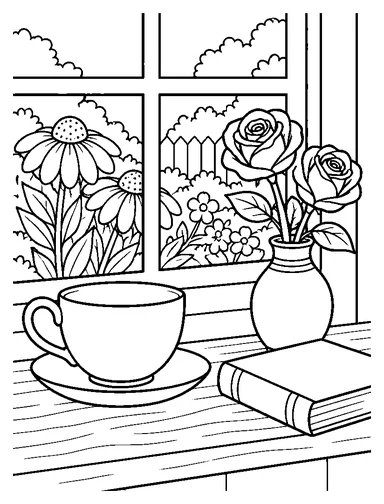
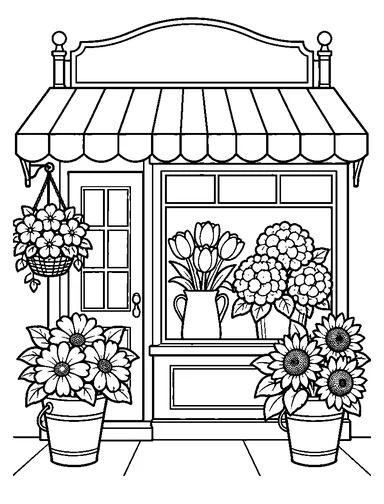
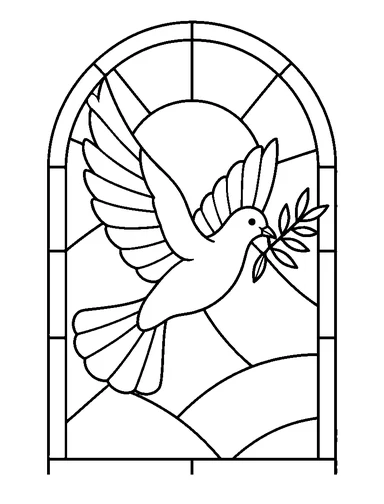
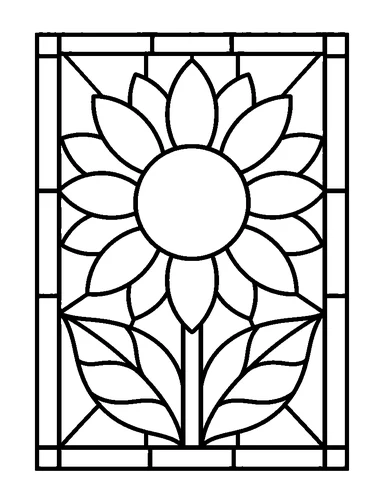
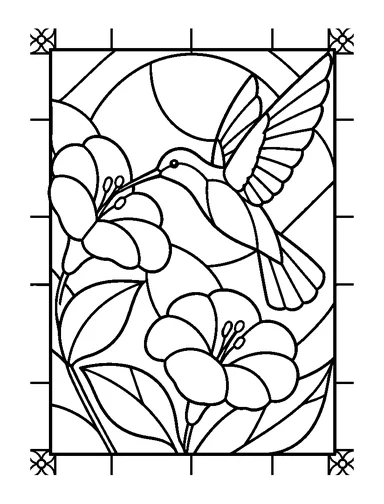
Coloring can be an enjoyable creative pastime at any age: a quiet hour with flowers, a shared table with friends, or a page you return to over several days. There is no correct pace, palette, or finished result. Attractive, accessible pictures make it easier to choose the experience you want, whether that means one large blossom or a detailed garden scene.
Older adults are not one audience with one ability level. Some prefer intricate designs; others want spacious shapes or fewer visual details. A person’s interests and preferences matter more than an age label. This guide explains how to inspect a printable, choose comfortable materials, and plan optional individual or group activities without making medical or therapeutic promises.
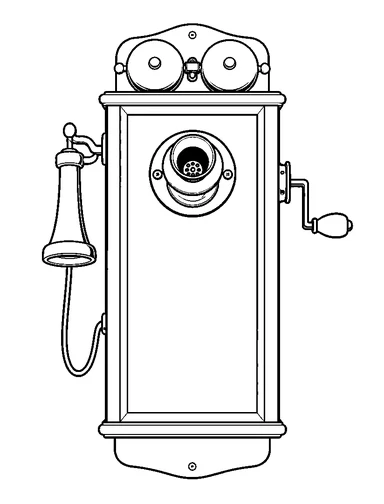
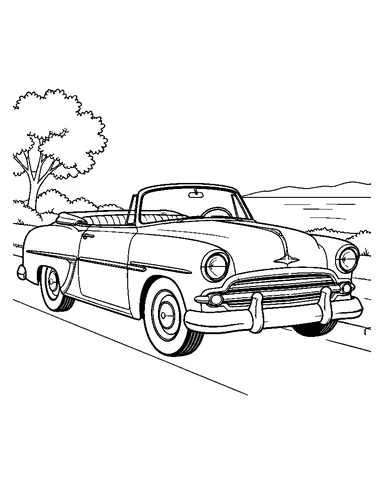
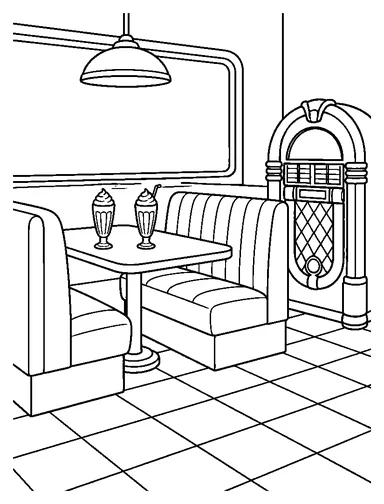
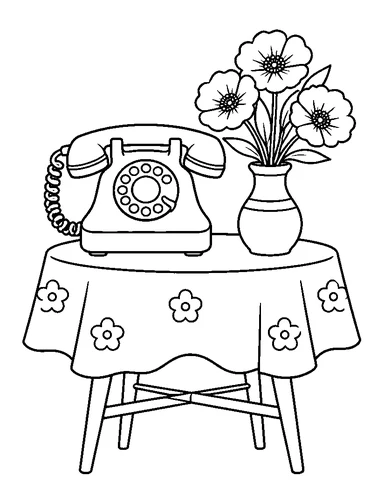
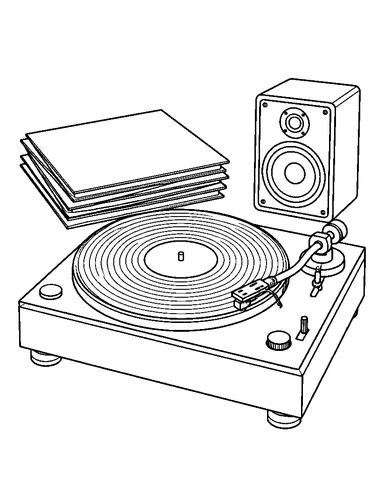
DoodleLearn offers two dedicated senior collections: Gardens, Flowers & Nature and Nostalgic Memories, with ten designs each. The garden examples and ideas here link to real files; the senior hub also offers vintage cars, a telephone, a record player, and everyday scenes inspired by the 1950s–1970s. A separate pattern collection is not currently available.
Coloring offers opportunities for practice and enjoyment. The research does not make every benefit certain, and coloring is not a substitute for instruction, therapy, or medical care.
Start with clarity rather than an age label. The main subject should be distinguishable, outlines visible, and neighboring regions separated enough for the coloring experience you want. Look at the smallest areas as well as the overall image. A simple-sounding flower page can contain dense petals, while a larger scene may have many comfortable open spaces.
Ask the person choosing the page what they enjoy. A landscape may invite a conversation about travel, a bird may invite a choice of favorite colors, and a flower may simply look appealing. These are possibilities, not assumptions about older adults. Do not replace adult interests with cartoonish images merely because someone prefers an easier design.
Offer a range of detail without ranking the people using it. Selecting a simpler page is not a statement about ability, and wanting detail does not mean a person must finish every region. Larger open shapes, strong contrast, or a stable sheet can be useful adaptations for anyone. Let the participant decide which changes are welcome.
Large-print coloring pages: look at the actual spaces
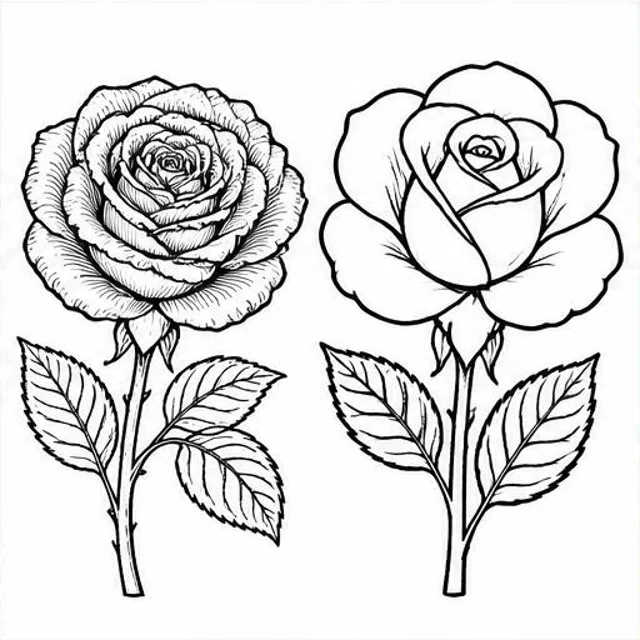
Detailed rose and simpler large rose compared side by side. Illustrated example; actual downloads are shown below.
For coloring, “large-print” commonly describes larger visual elements and open spaces rather than a standardized text size. The label alone does not guarantee accessibility. The comparison illustration shows a detailed rose beside a simpler rose; it is a visual example, not two downloadable pages. Inspect the real PDF at the size you plan to print.
A spacious picture may reduce the number of small boundaries to track, while a high-contrast outline can make regions easier to distinguish. Not everyone prefers that combination. Ask whether the person wants broader shapes, more detail, or a different subject. Use plain descriptions such as “larger petals” rather than presenting a design as suitable for all seniors.
Choose the paper size that matches your printer: US Letter or A4. Print at the recommended fit-to-page setting, then inspect the result rather than relying on a small online thumbnail. Enlarging on a bigger sheet can help if the printer supports it, but cropping to enlarge a picture may remove details or margins. The dedicated collection offers both paper sizes and individual-page files.
Flowers and gardens
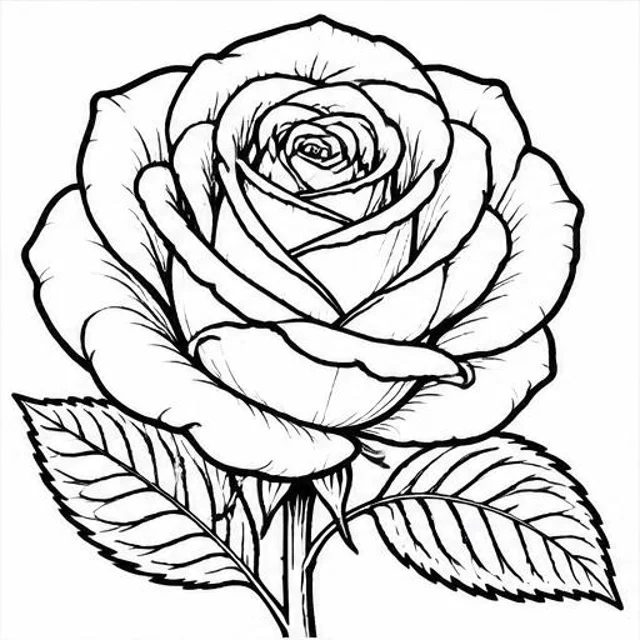
Rose outline with leaves and open areas to color. Illustrated example; actual downloads are shown below.
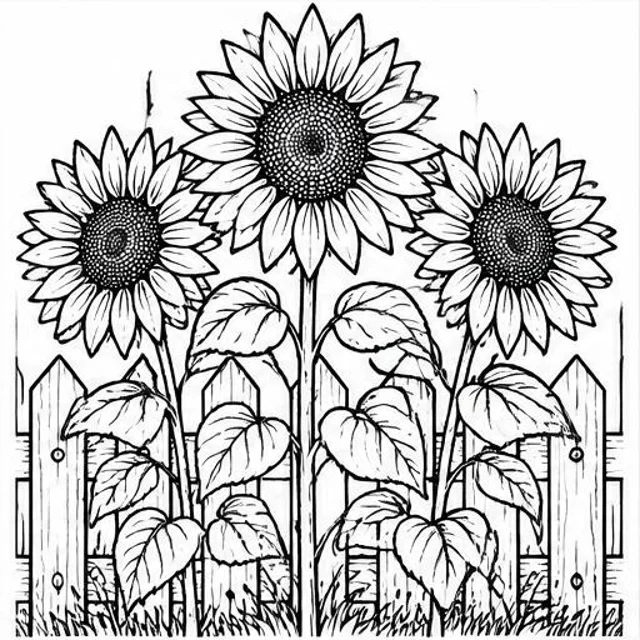
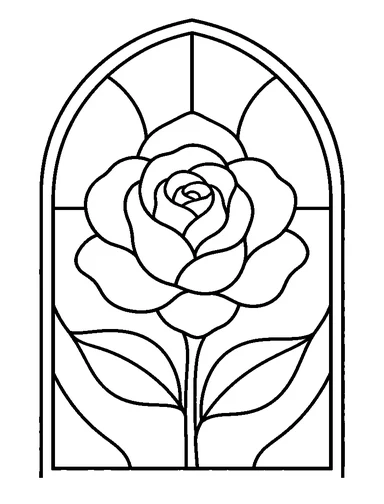
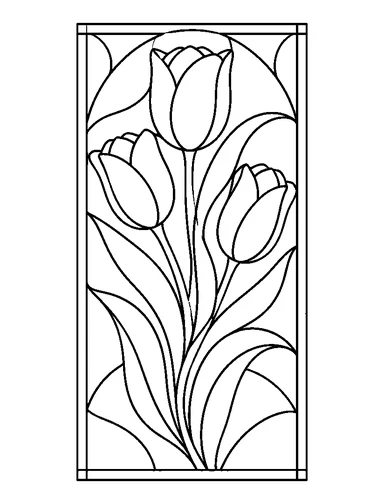
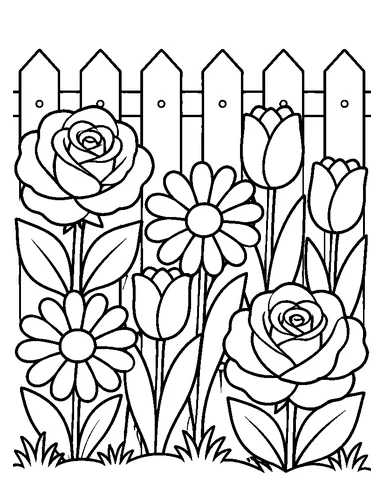
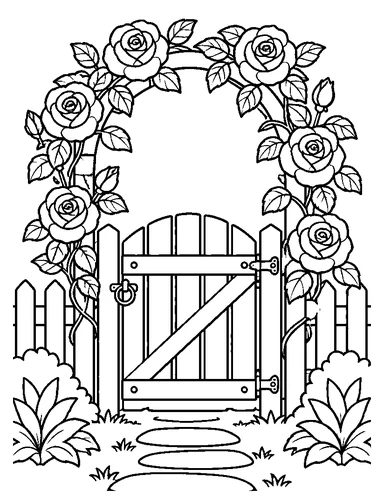
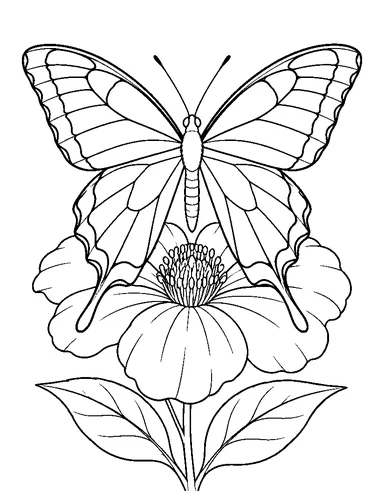
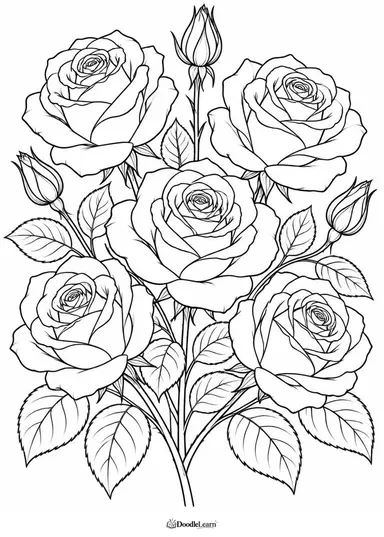
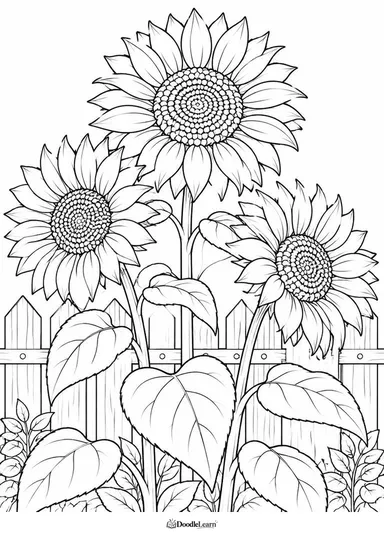
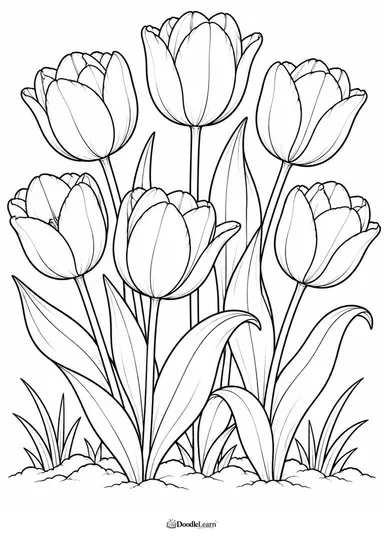
Flowers offer many different levels of complexity. The real rose page has five large blooming roses, broad leaves, and a few buds. The sunflower page shows three tall flowers beside a wooden fence. The tulip page contains seven flowers with curved leaves. Open those previews and choose the areas that look comfortable, rather than assuming all floral designs are easy.
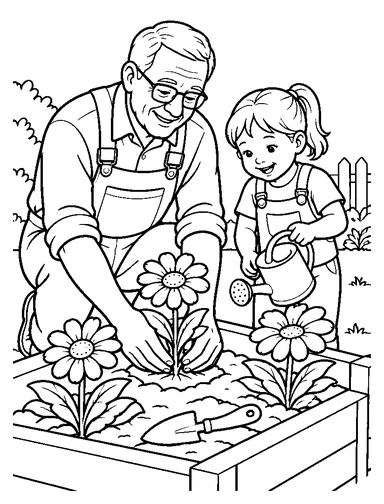
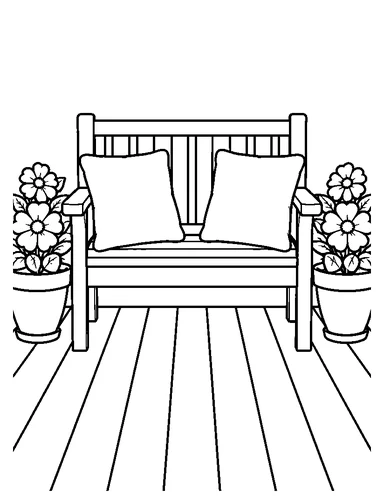
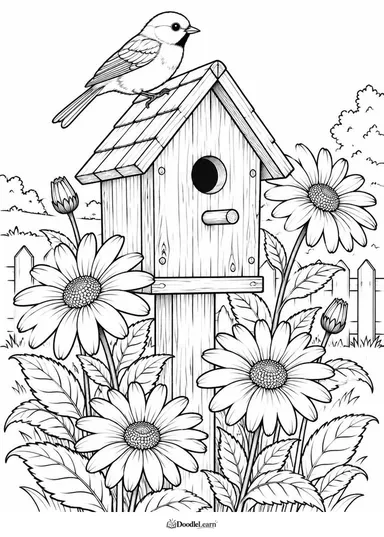
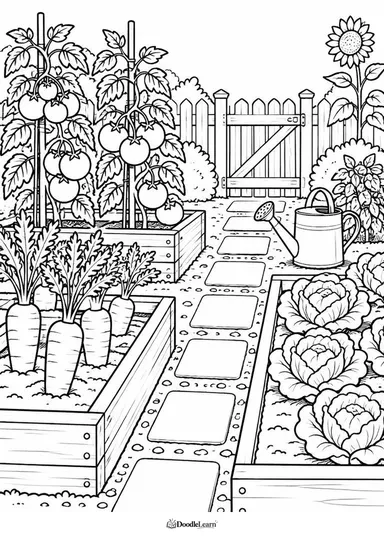
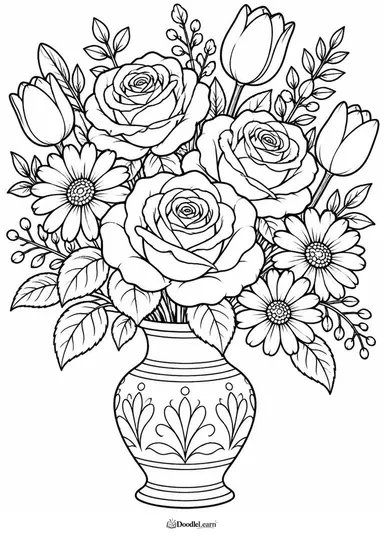
The collection also includes a bouquet, birdhouse, vegetable garden, and bench scene. The vegetable garden contains raised beds and a stepping-stone path, so it may suit someone who enjoys more detail. You can color only one bed, leave the background blank, or use a limited palette. A completed page is optional.
For a shared activity, place a real flower or reliable photograph nearby and invite observation: which petal colors or leaf shapes interest you? Participants can copy the colors or invent their own. There is no need to make the activity a lesson. Avoid picking unfamiliar plants, and respect allergies and personal preferences when bringing flowers to a group.
Birds and butterflies
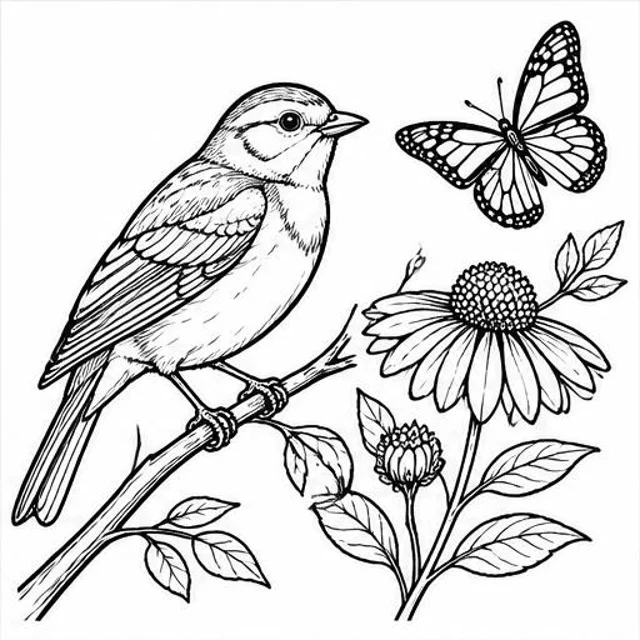
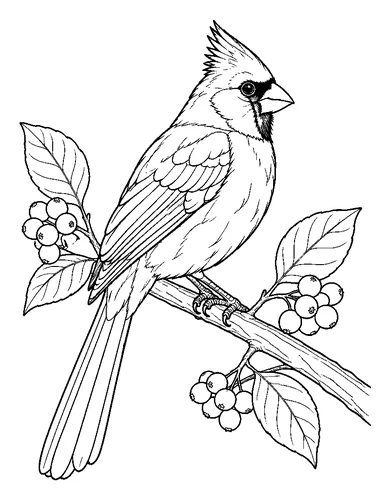
Songbird and butterfly near a flowering branch. Illustrated example; actual downloads are shown below.
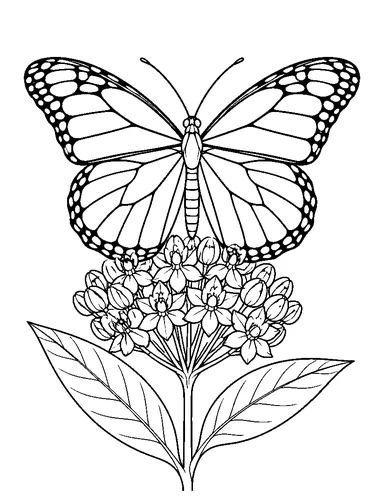
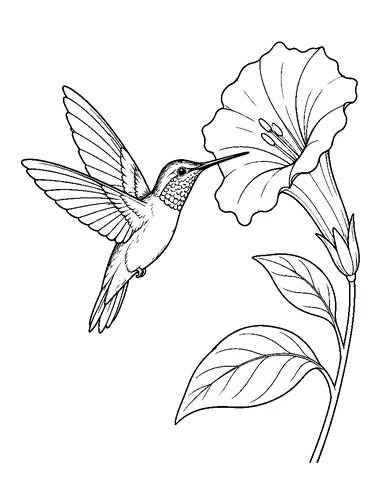
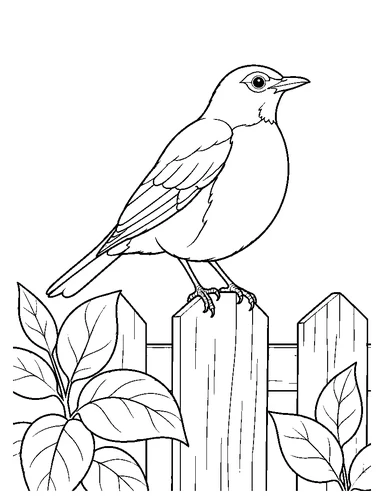
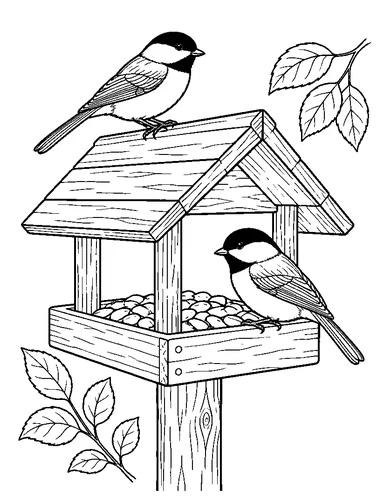
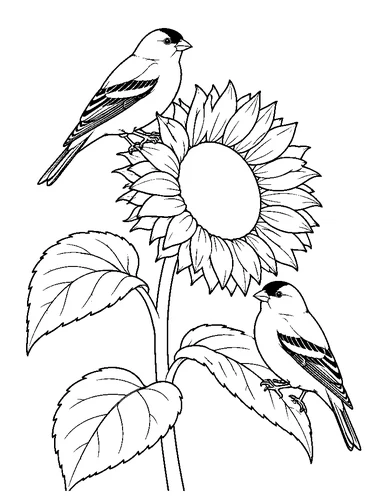
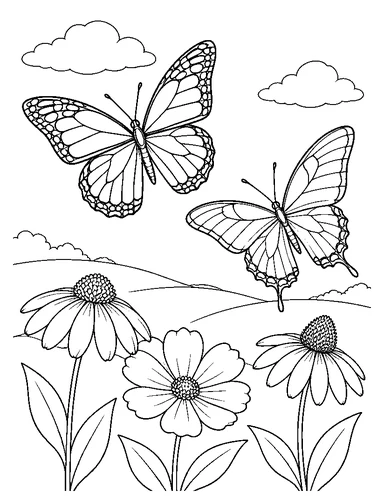
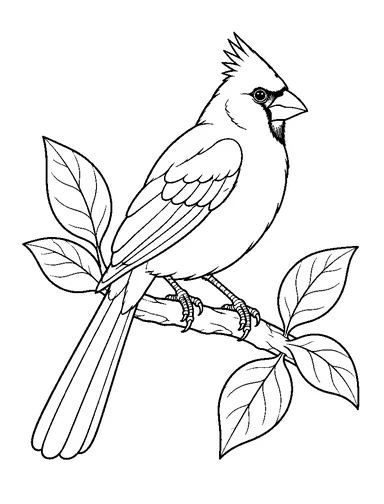
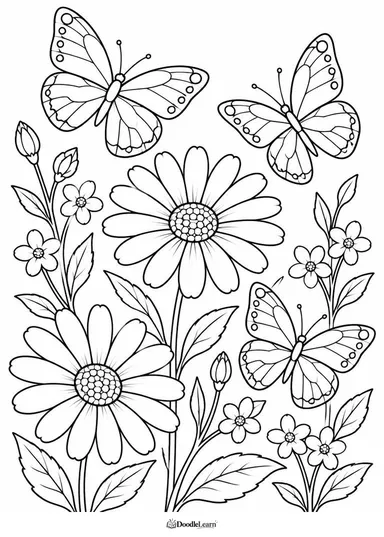
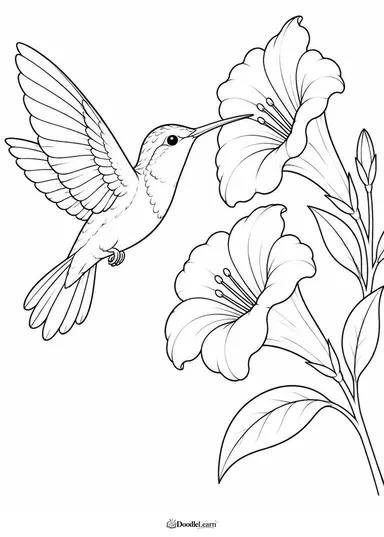
Bird and butterfly pictures can be appealing choices for people who enjoy garden wildlife. DoodleLearn’s dedicated senior collection includes a hummingbird visiting trumpet-shaped flowers, butterflies around daisies, a birdhouse with a bird, and birds in the garden scenes. It does not currently include a separate cardinal or songbird collection.
The supporting songbird illustration is an example of a theme, not a promised songbird download. The actual hummingbird and butterfly previews below have their own PDF links. Notice feather lines and wing patterns before choosing: those details may be enjoyable, but they are not necessarily the easiest option.
Try coloring just the bird or one butterfly and leaving the plants untouched. Someone who enjoys accurate natural colors can consult a trusted photograph; someone who wants imaginative colors can use any palette. If a group discusses identification, distinguish a decorative drawing from a reliable field guide. Do not require species naming to participate.
Landscapes and nature
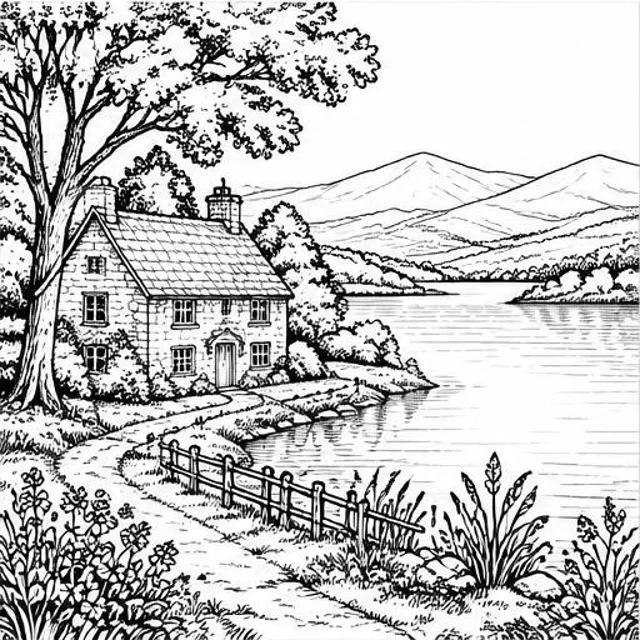
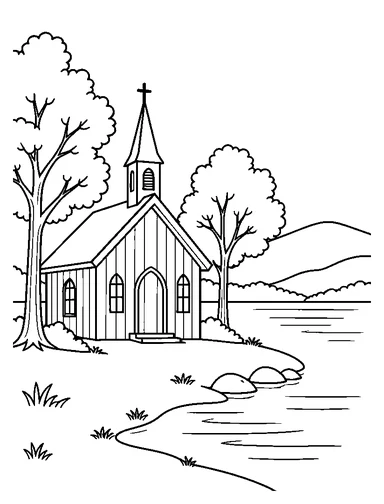
Countryside cottage beside a lake and distant hills. Illustrated example; actual downloads are shown below.
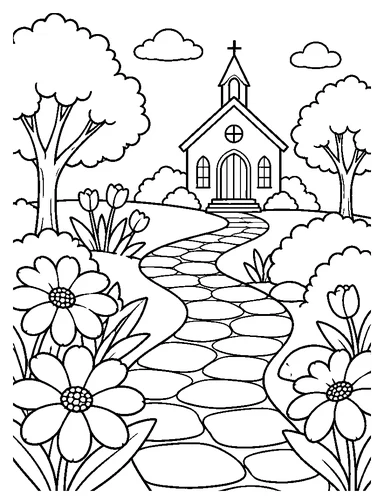
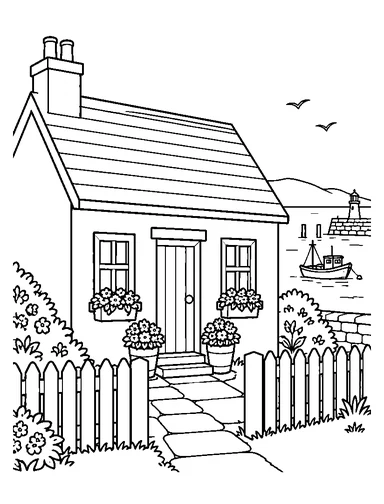
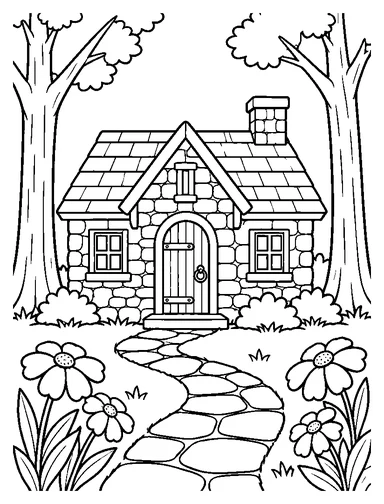
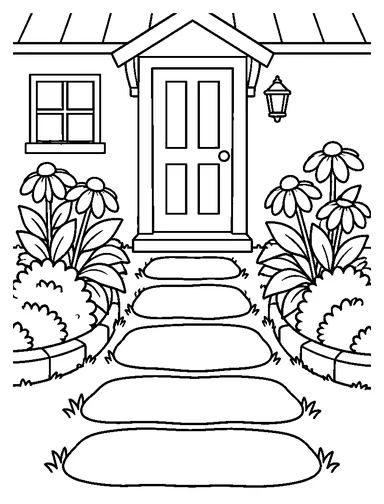
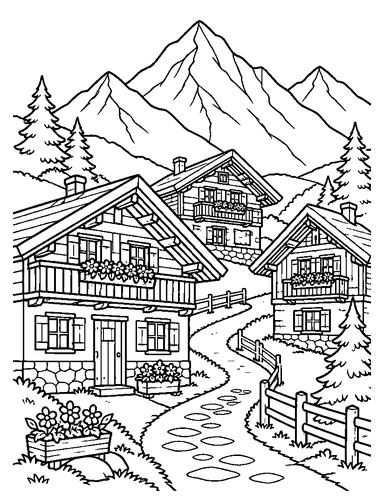
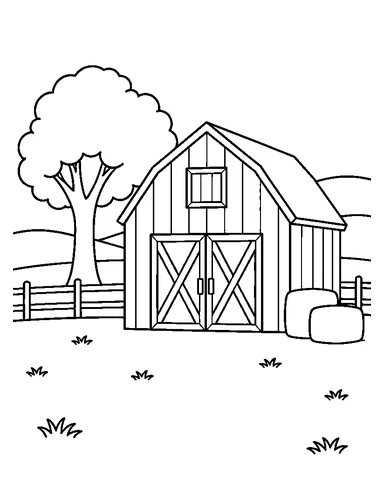
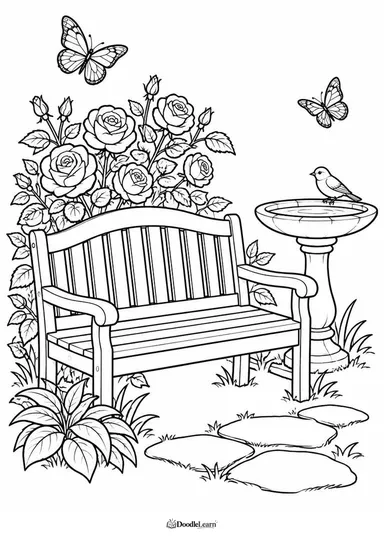
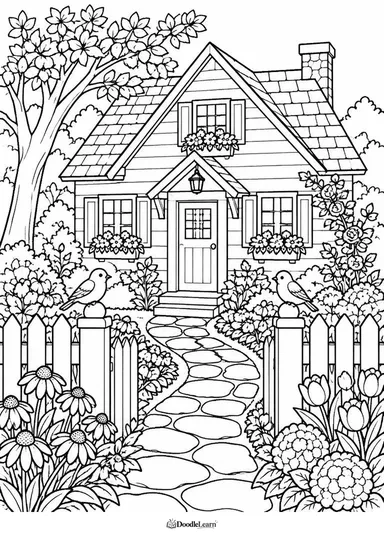
A cottage, a garden path, or a bench can offer a scene to explore gradually. The real cottage page includes flower boxes, a winding stone path, a picket fence, and two birds. The garden-bench page includes a rose bush and birdbath. Both are medium-detail options rather than single large shapes.
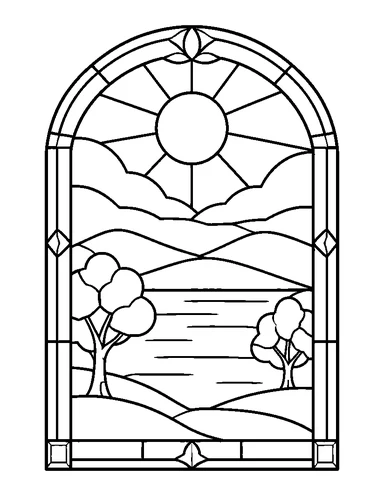
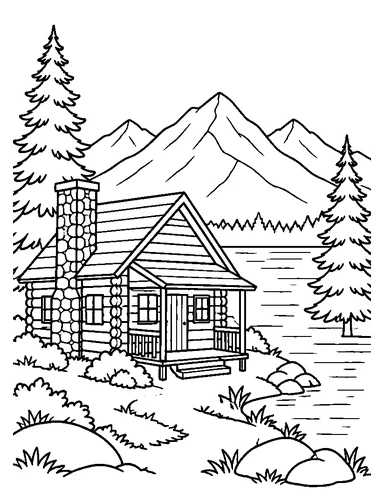
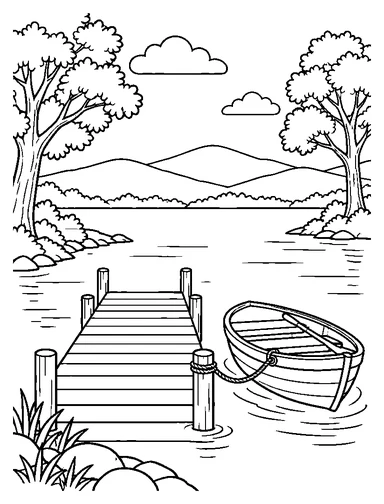
The countryside illustration above suggests a wider landscape theme, but the current dedicated senior downloads do not include a lake-and-mountains collection. Use the available cottage or garden scene if it suits your interests. You can create a sense of distance with a limited palette or leave distant details uncolored without needing special shading techniques.
For a conversation prompt, ask “What would you add to this garden?” instead of assuming the scene recalls someone’s childhood. Invite a new story, a travel idea, or silence. Displaying the finished picture should always be optional, and no one needs to explain private memories or personal associations.
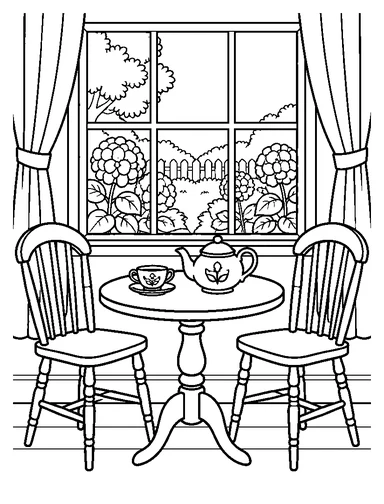
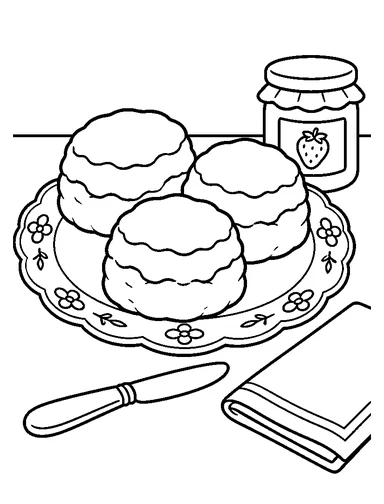
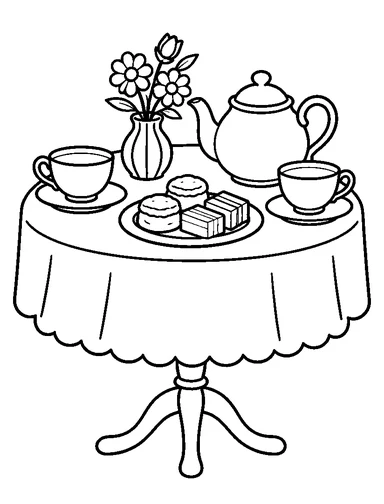
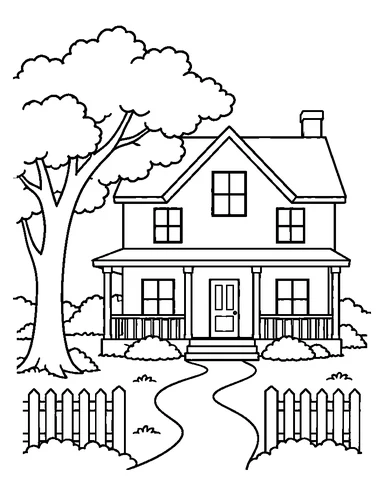
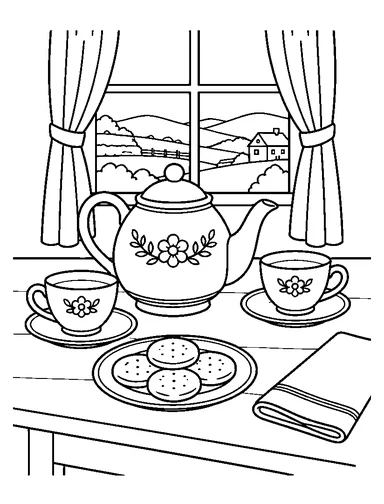
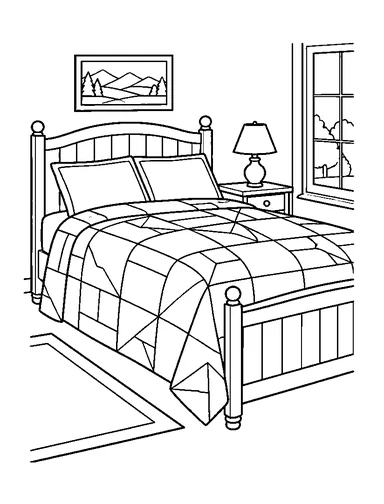
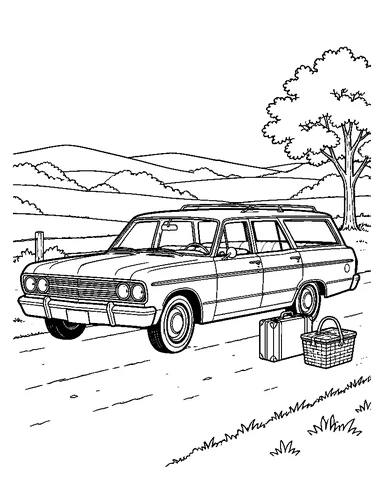
Vintage cars, bicycles, teapots, quilts, traditional houses, and old-fashioned shops may appeal to some adults and not to others. Nostalgia is a personal interest, not an expected response to aging. Ask what subjects participants want next and include contemporary hobbies and places in the conversation too.
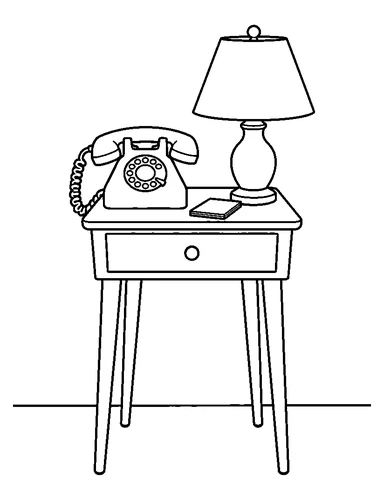
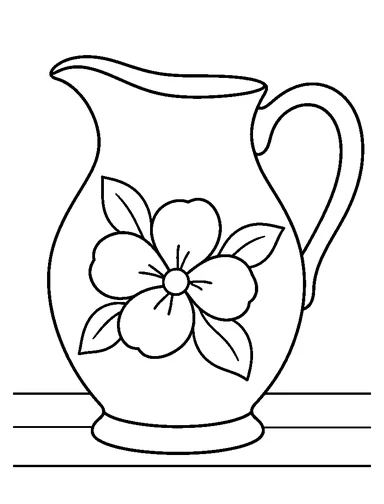
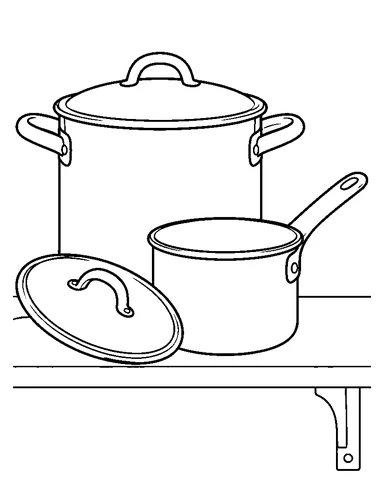
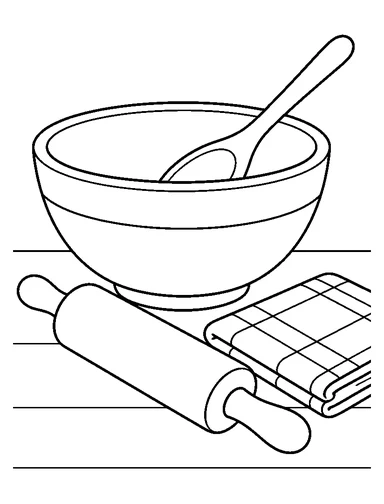
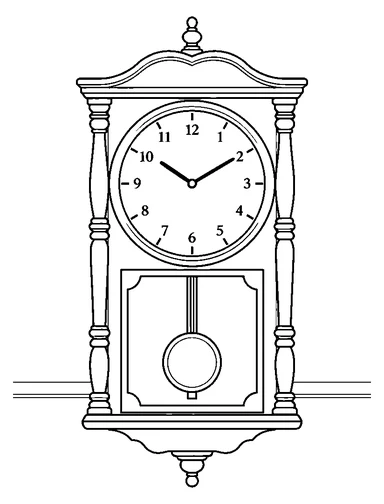
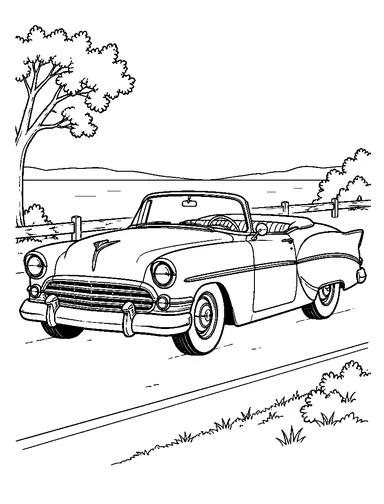
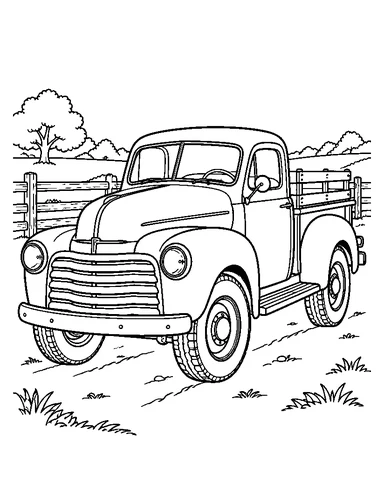
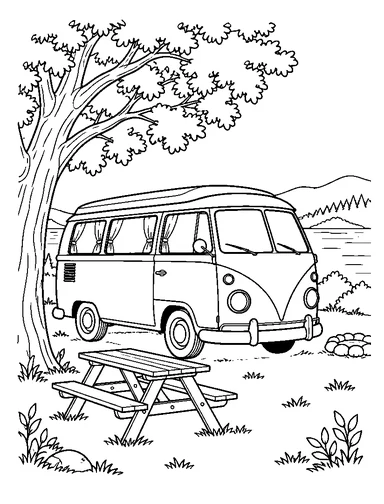
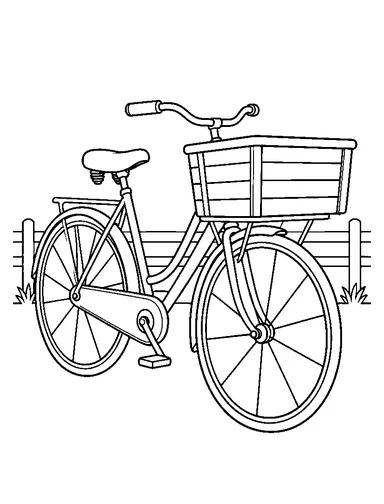
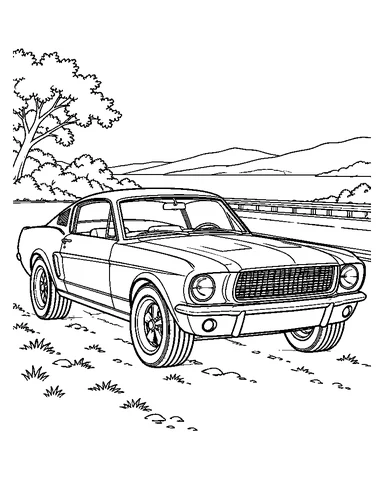
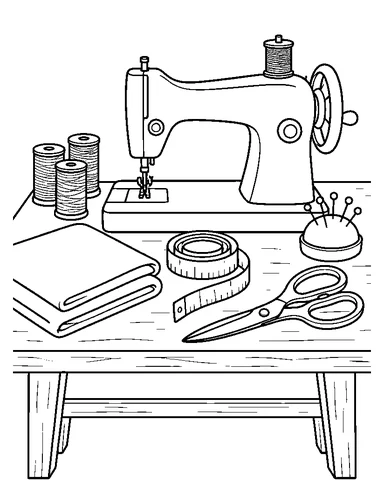
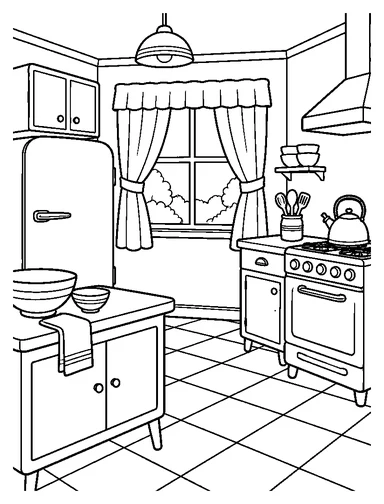
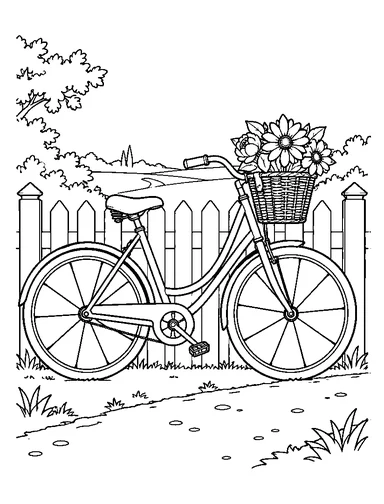
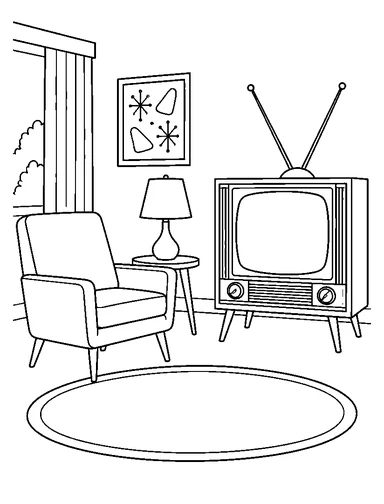
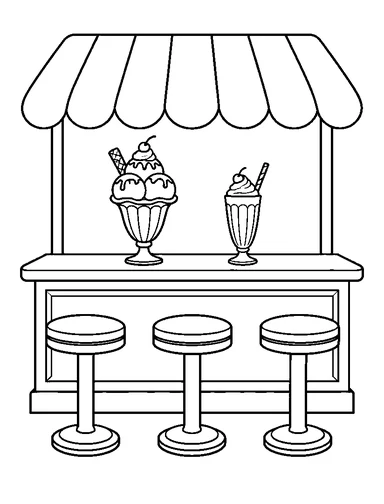
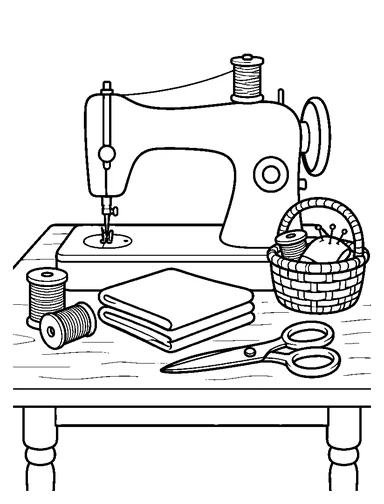
Nostalgic Memories is available from the senior hub with a classic convertible, bicycle, diner, rotary telephone, record player, retro kitchen, television, ice cream parlor, sewing machine, and family road trip. Choose a subject for its appeal, not as a memory exercise. Separate teapot and quilt collections are not available; blank paper is another creative option.
In a group, avoid prompts that pressure people to recall dates, family experiences, or a particular era. A question about colors or imagined decoration can be enough. Treat personal stories as volunteered contributions, not material to record, photograph, or publish without explicit permission.
Choosing comfortable coloring supplies
Colored pencils offer controllable marks and usually work on ordinary printer paper. Markers may produce broad, saturated areas; test for bleed-through and place a protective sheet underneath. Crayons are another adult-appropriate option when someone likes their texture or width. None of these tools is inherently the correct choice for older adults.
Try a few barrel shapes or optional easy-grip sleeves and ask which feels comfortable. Do not assume an adaptation is needed or present it as a treatment. Keep supplies within easy reach, provide a stable table and chair, and allow participants to position the page as they prefer. Secure the sheet if it slips and the person wants help.
Adequate light can make outlines easier to see; reduce glare and check the setup with the participant. Use breaks and a pace that feels comfortable, without a time target. Stop if an activity causes pain or discomfort. Persistent concerns about vision, dexterity, or pain belong with qualified professionals, not claims about the benefits of extra coloring.
Coloring activities for senior communities
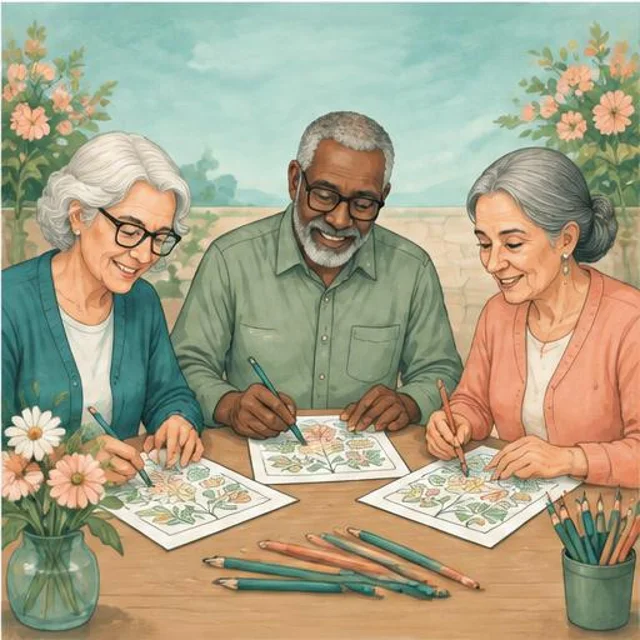
Three older adults coloring floral pictures together. Illustrated example; actual downloads are shown below.
Arrange an optional small-group session with a few subjects and more than one detail level. Leave enough space for materials, mobility aids, and comfortable seating. Ask about practical preferences before the session rather than announcing what the group will need. Watching, talking, bringing another creative project, or leaving early can all be welcome.
For a seasonal event, offer flowers or gardens without assuming everyone celebrates the same holiday. Invite family members to choose their own pictures during a visit. A shared display can be attractive if each contributor agrees; do not publish names, photographs, or stories without permission.
The National Institute on Aging discusses meaningful activities and arts participation as possible parts of later-life engagement. That does not establish that this coloring session improves health, prevents dementia, or treats anxiety. Present it honestly as an opportunity for enjoyment, creative choice, and optional social connection.
Ten easy coloring activities for seniors
Three sunflowers beside a garden fence. Illustrated example; actual downloads are shown below.
All ten suggestions can use pages in the existing Gardens, Flowers & Nature collection. Adapt the amount of coloring to the person’s preferences and leave every finishing, sharing, or discussion step optional.
A single rose focus: open A Beautiful Rose Garden and choose one blossom. Color only that flower today, leaving the rest for another time or not at all.
A three-color sunflower palette: use Sunflowers in a Country Garden with any three preferred shades. Natural and imaginative palettes are equally welcome.
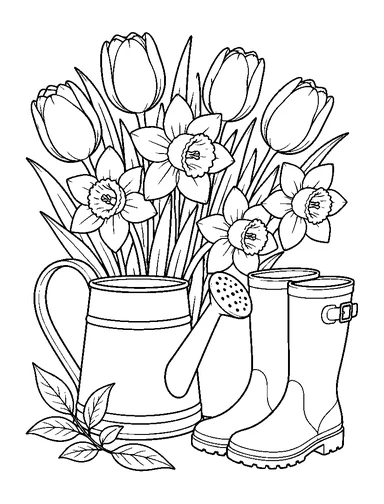
Tulips one at a time: select Tulips in Spring and color one flower between breaks. There is no need to work through all seven in one sitting.
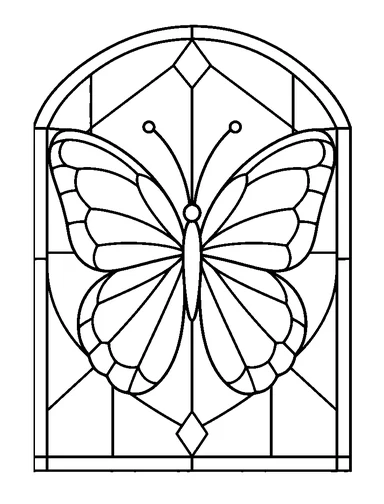
A favorite butterfly: choose one butterfly from Butterflies Among the Flowers and repeat a color or pattern you enjoy. Leave the surrounding blossoms blank if you wish.
A hummingbird observation: look at a reliable photograph, then color Hummingbird Visiting Flowers. Copy what interests you or deliberately invent a different palette.
Decorate the birdhouse: use Birdhouse in a Flower Garden and imagine a paint color for the house. Add your own small design on separate paper if desired.
A vegetable garden plan: color one raised bed in The Vegetable Garden. Discuss favorite plants only if that conversation is welcome; accurate gardening knowledge is not required.
A bouquet for someone: color A Beautiful Flower Bouquet and offer it as a gift, or keep it privately. Add a note on a separate sheet rather than needing a special greeting-card download.
A quiet garden pause: choose Peaceful Garden Bench and color the bench or one plant. Enjoy silence or share an imagined detail about the scene.
A cottage group gallery: use A Cottage Garden in Bloom, or let each participant choose a different page. Share color choices and display work only with permission; avoid comparing results.
Free senior coloring collections and real downloads
The printable section below uses the currently published senior collection and filters its real pages. Easy options include roses, sunflowers, tulips, the birdhouse, and the bouquet. Medium-detail alternatives include butterflies, the hummingbird, vegetable garden, bench, and cottage. Choose based on the actual preview, not only the difficulty label.
Click a picture to open its print-ready US Letter PDF, or follow the collection link to choose A4 or US Letter and download the complete set. All listed files are currently free with no account required. These are adult-oriented creative designs, not medical tools or a guarantee of visual accessibility for every reader.
Frequently asked questions
What coloring pages are easiest for seniors?
Look for clear outlines, large open areas, and an appealing subject. In this collection, roses, tulips, sunflowers, the birdhouse, and the bouquet are labeled Easy. Inspect the actual picture and choose according to preference.
Are large-print coloring pages better for older adults?
Some people prefer larger shapes and others enjoy detail. The label is not a universal accessibility standard. Print a sample and check the outline visibility and smallest spaces.
What coloring tools are comfortable to use?
Try pencils, markers, or crayons with different widths and ask what feels comfortable. Optional grips, stable paper, good lighting, and breaks may be useful; no tool is right for everyone.
What are popular coloring themes for seniors?
Interests vary. Flowers, gardens, wildlife, homes, and landscapes are possible choices, but ask rather than assume. Nostalgic themes should be optional.
Can coloring be a group activity?
Yes. Offer optional participation, varied pages, comfortable seating, and permission to pause or simply watch. Sharing finished work or personal stories should never be required.
Where can I find free printable coloring pages for seniors?
DoodleLearn’s Gardens, Flowers & Nature and Nostalgic Memories collections each include ten free pages, individual PDFs, and complete-set downloads in A4 and US Letter, with no account required.
Research and further reading
Further reading from research and professional guidance. Study findings apply to their participants and tasks; professional guidance is not the same as a controlled experiment.