By DoodleLearn · Evidence-informed guide
Flowers and gardens offer an inviting range of coloring subjects: a single rose, a tall sunflower, a cottage path, or a hummingbird near a bloom. Some people enjoy broad shapes and a small palette; others prefer intricate petals and an afternoon of detail. Age does not determine which design someone will enjoy. Start with personal interests and the actual picture, not an assumption about ability.
This guide helps older adults, family members, caregivers, and activity coordinators choose appealing floral pages and plan comfortable individual or group sessions. The suggestions are creative options, not treatment recommendations. Coloring is not presented as a way to prevent dementia, restore mobility, or manage a medical condition. A page may be enjoyable simply because the subject and activity appeal to the person using it.
Ten new floral companions are available below in A4 and US Letter, alongside existing Gardens, Flowers & Nature, Birds & Butterflies, and Simple & Beautiful large-print resources. The new rose and bouquets contain their own levels of detail; they are not all extra-easy designs. Browse the real previews before printing and choose the style that feels welcoming today.
Coloring offers opportunities for practice and enjoyment. The research does not make every benefit certain, and coloring is not a substitute for instruction, therapy, or medical care.
Download a Relaxing Coloring PageWhy flowers and gardens are popular coloring themes
A garden scene can connect with an interest in plants, a familiar place, a seasonal color palette, or a wish to imagine a different setting. Someone who never gardened may still enjoy the shapes of petals or the arrangement of a bouquet. Invite a preference rather than asking people to explain a personal memory before they can join in.
Flowers also work at several scales. A single bloom leaves room for broad color decisions; a border or cottage scene offers many smaller choices. Natural colors are one option, not a requirement. Purple sunflowers or patterned leaves are valid creative interpretations. If a group explores plant identification, separate the factual discussion from the freedom to color imaginatively.
Choosing flower coloring pages
Look at the actual size of each space, the clarity of the lines, and the number of small details. A page labeled easy may still include tight petal sections, while a detailed picture may have broad areas that a person enjoys coloring first. Offer at least two levels and let the participant choose. Difficulty labels are editorial descriptions, not an assessment of anyone’s ability.
Consider the subject as well as complexity. A rose grower might prefer a rose garden; someone interested in wildlife might choose a butterfly or hummingbird. Provide a full-page preview rather than describing every floral page as interchangeable. Ask about tool preferences, paper size, and lighting before making a large batch of copies.
Print size and paper affect comfort. Match US Letter or A4 to the loaded paper and keep printer margins visible in the preview. These files preserve the artwork’s proportions; changing scale can alter line size and available space. Use paper compatible with the printer and chosen tools, and test one page before preparing a group set.
Rose coloring pages
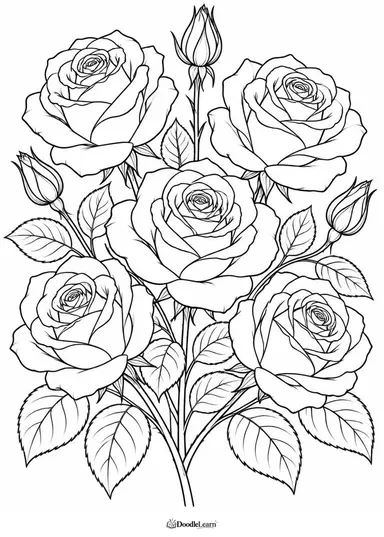
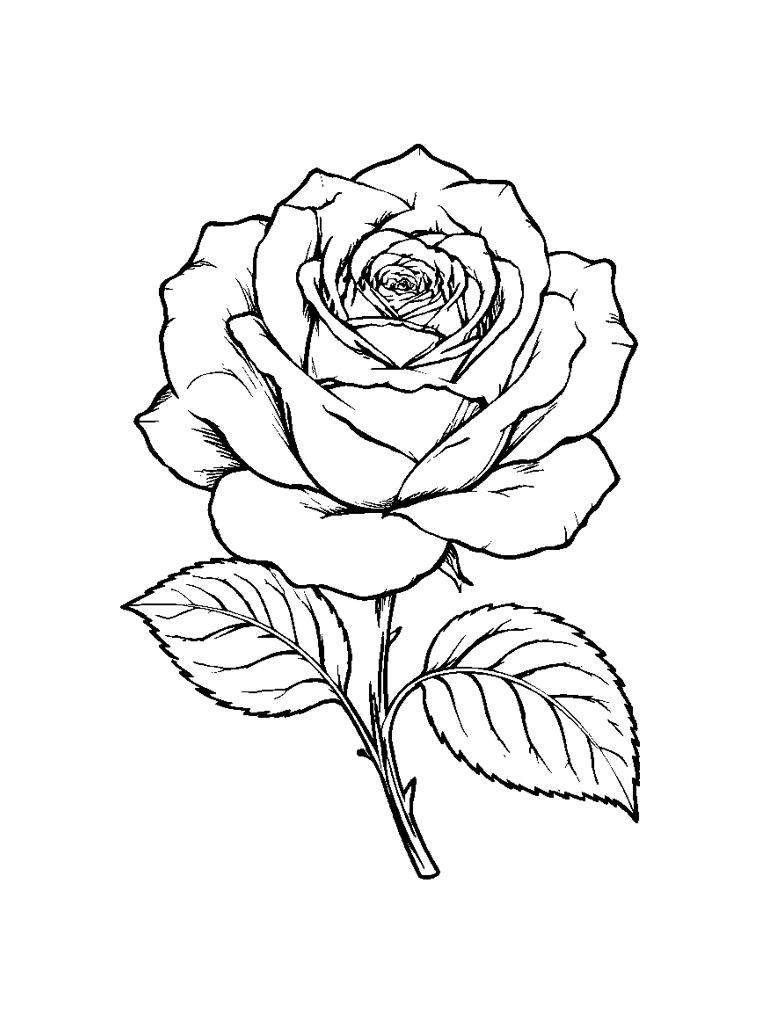
A rose can be a single bloom with a stem, a bouquet, or a whole garden scene. Our new companion shows one open rose with leaves; its nested petals make it more detailed than a very simple broad-petal flower. The existing Gardens, Flowers & Nature collection includes A Beautiful Rose Garden, while Simple & Beautiful offers a separate extra-easy large-print rose.
Choose between these by looking at the spaces rather than the name alone. For a single rose, one color family with lighter and darker pressure can be enough, but shading is optional. A garden picture invites different foliage and flower colors. Start wherever you like; completing every petal in one session is not necessary.
Sunflower coloring pages
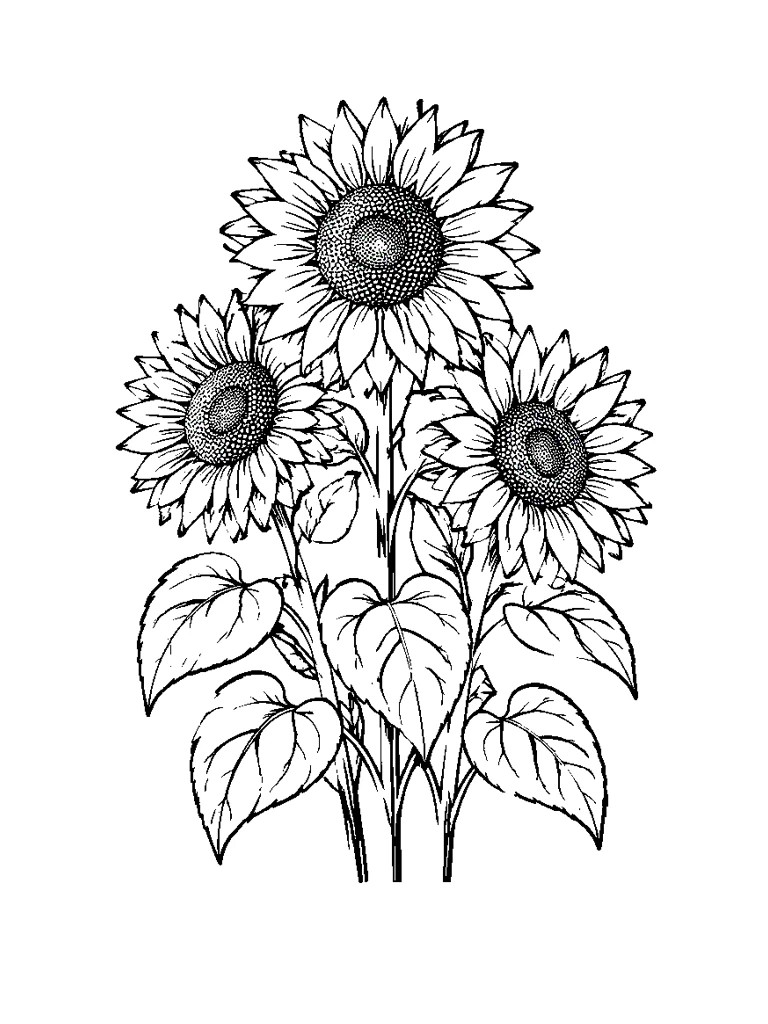
Sunflowers have recognizable central discs and broad petals, making them an appealing subject for many styles. The new companion has three blooms with stems and leaves; its central texture introduces smaller details. For larger, simpler spaces, compare the existing large-print sunflower before choosing.
Use yellows and greens if you want a familiar look, or try another palette. A group can compare how the same outlines look under different choices without deciding which is most accurate artistically. When discussing plants, note that sunflower cultivars vary in size and color; the illustration is a stylized arrangement rather than a botanical identification plate.
Tulips, daisies, and other flowers
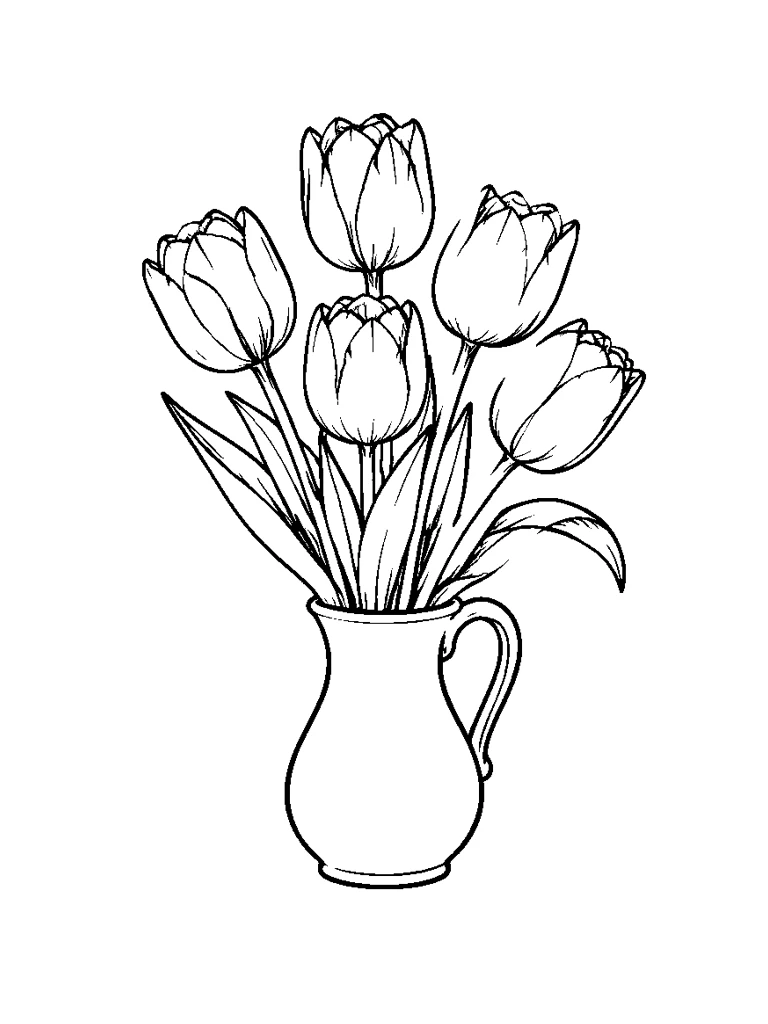
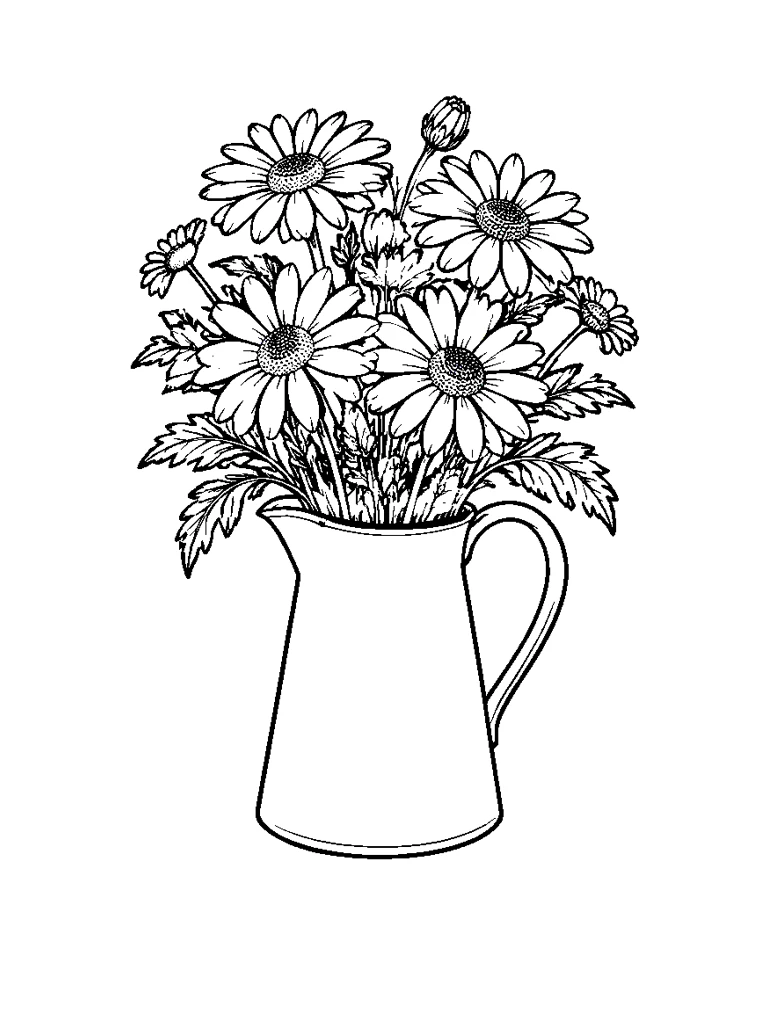
The tulip companion shows five tulips in a pitcher-shaped vase, while the daisy companion offers a fuller bouquet. Tulips have large cup-like shapes; daisies introduce repeated petals around centers. These are different drawing rhythms, and a person may prefer one even when both are described as moderate.
A mixed arrangement can add variety, but it is not a promise that every flower naturally blooms at the same time in one location. The seasonal companion brings together a tulip, sunflower, chrysanthemum, and other blooms as an imagined arrangement. If species identification matters for an activity, use reliable photographs or local plant information rather than treating every generated petal as a scientific label.
Garden scenes
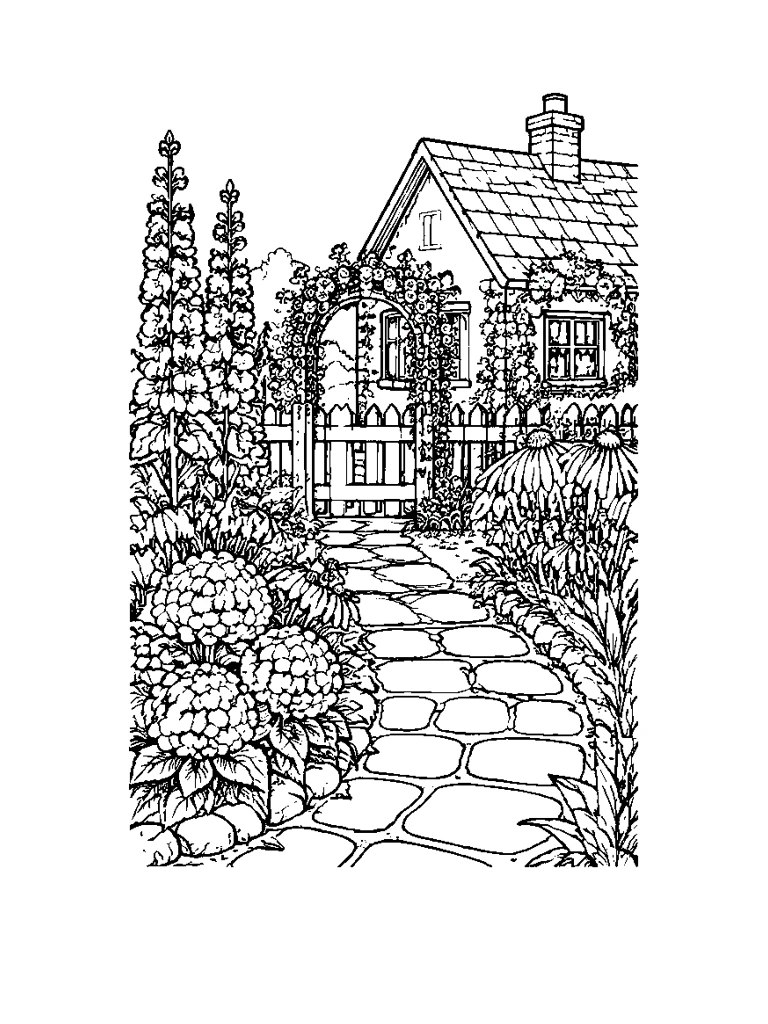
A cottage path, bench, flower bed, or watering can can be as appealing as a close-up bloom. Larger scenes introduce surfaces such as stone, wood, foliage, and pots. The cottage-garden and bench companions have more detail than the single-flower pages; print one preview before committing to a group activity.
Existing senior collections provide additional paths, gardens, and porch scenes. Gardens, Flowers & Nature includes garden wildlife and flowers; Beautiful Porches & Front Gardens adds outdoor living spaces. The guide connects to actual collections below without inventing a separate vegetable-garden download or promising a named object absent from its preview.
For a scene with many parts, select a small area such as the path or nearest pot and leave the rest for later. You can also color broad regions while leaving fine detail unfilled. This is a creative choice, not an incomplete result that needs correction. A garden page can remain a work in progress across several sessions.
Butterflies, birds, and garden wildlife
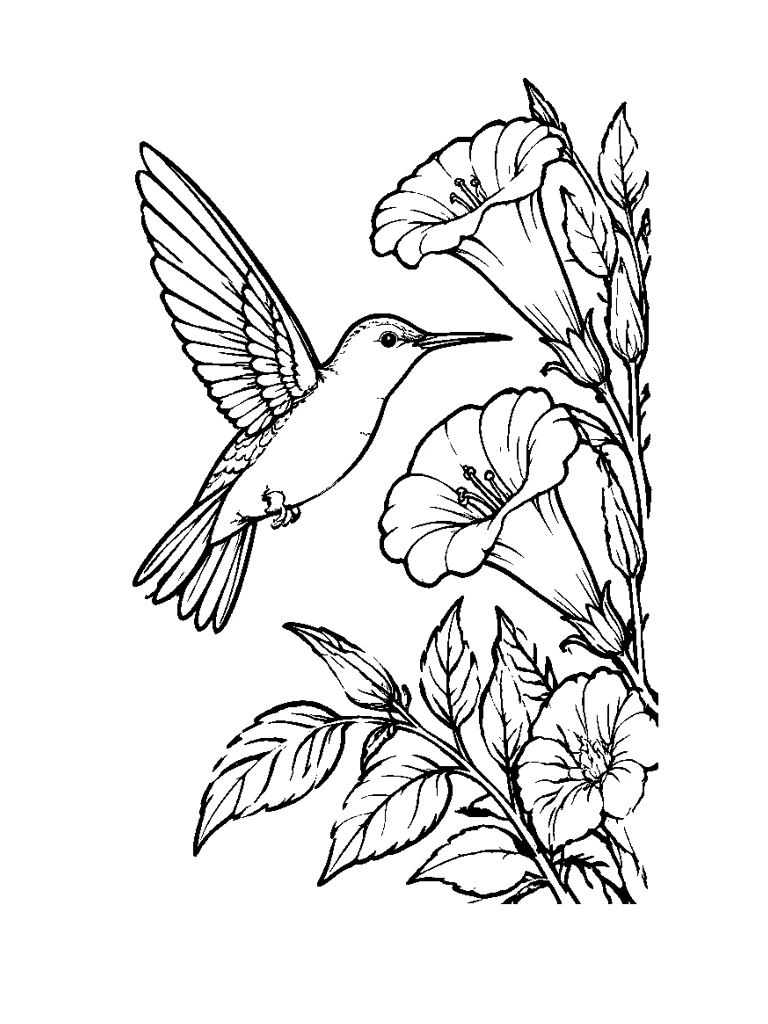
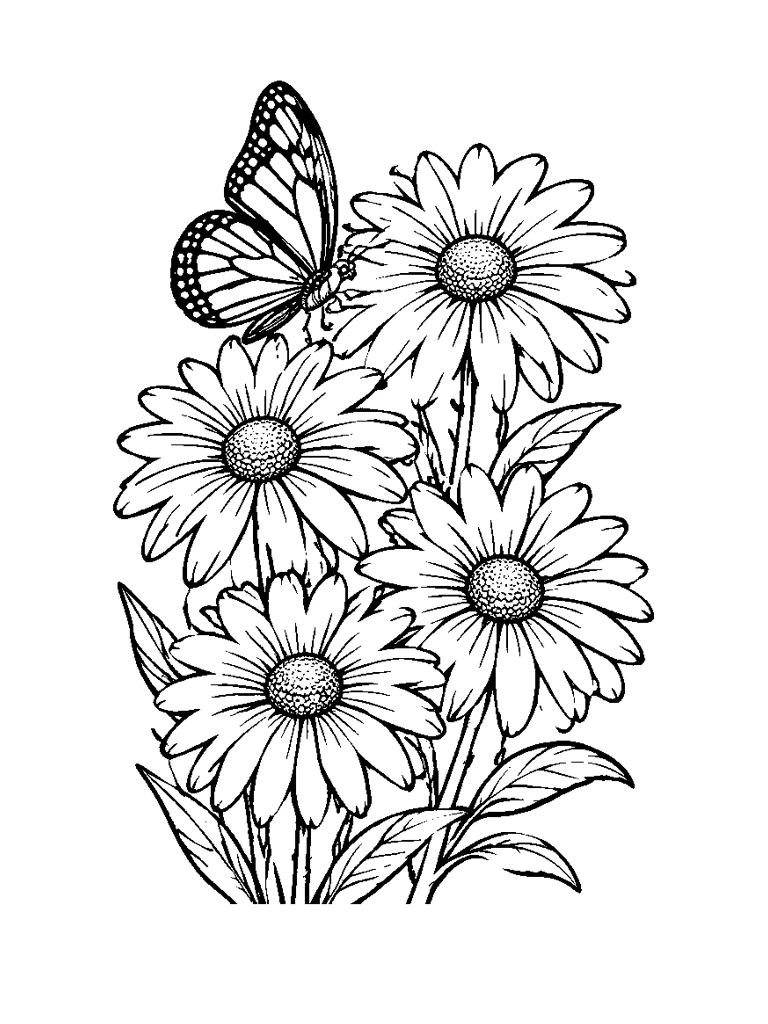
Wildlife brings another focal point into floral coloring. The new butterfly-and-daisies page has a clear insect beside large blooms; the hummingbird companion shows a bird in flight near trumpet-shaped flowers. Wings, feathers, and petal edges create different spaces, so compare both before choosing.
The existing Birds & Butterflies collection offers further backyard subjects, and Gardens, Flowers & Nature has its own hummingbird page. Their downloads are distinct, even when a subject name is similar. The guide uses each page’s actual file record, including any filename override, so a preview opens the matching printable rather than a different collection’s picture.
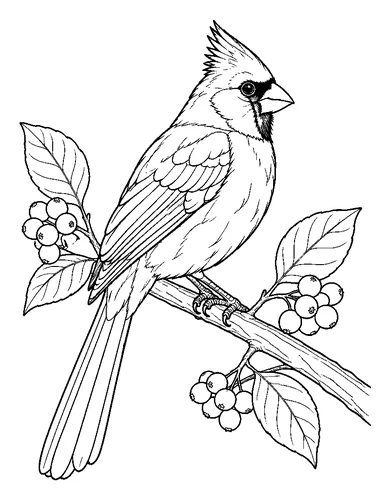
When talking about wildlife, avoid asking participants to touch insects or disturb nests for an activity. A photograph or personal observation is enough. Creative color choices need not reproduce a species exactly; factual identification is a separate discussion that should use reliable references when needed.
Large-print flower coloring pages
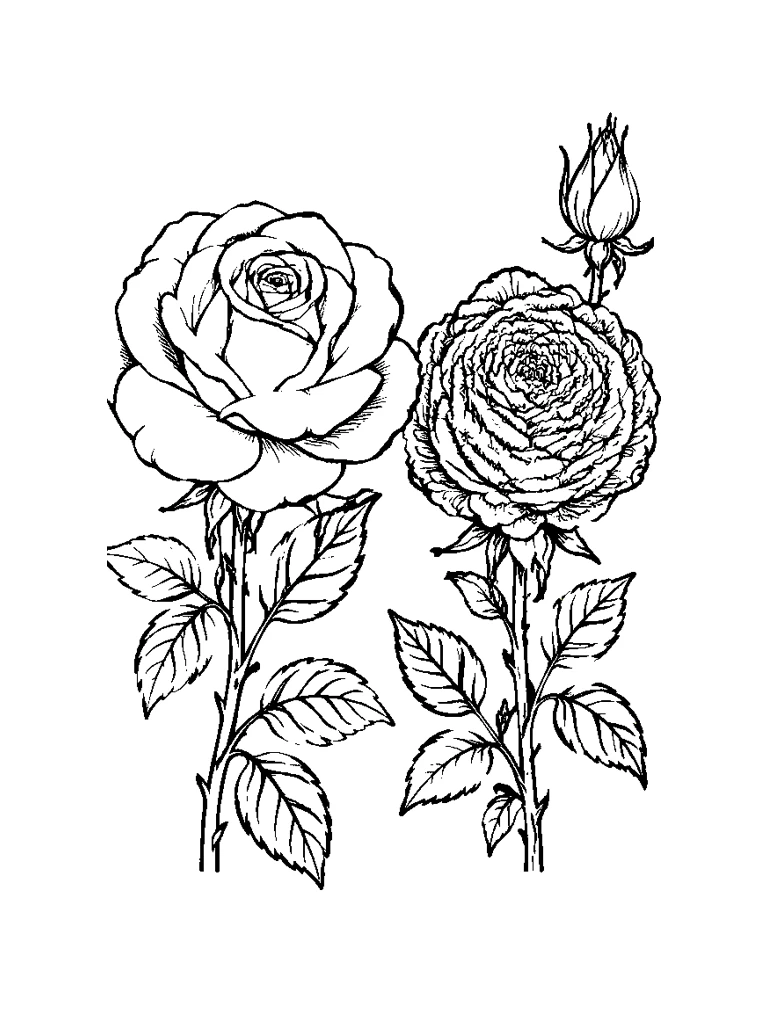
Large print here refers to spacious artwork rather than text alone. Broad enclosed shapes, clear lines, and less visual crowding may suit someone who prefers those features. Other people want intricate designs and should have them available. Neither preference follows automatically from being an older adult.
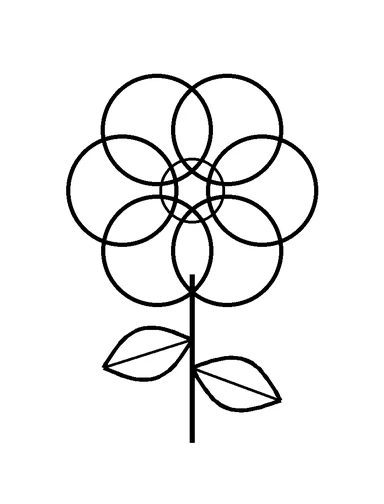
The existing Simple & Beautiful collection has extra-easy rose, sunflower, and other broad-shape designs. Our new rose comparison is an illustration with differing petal detail, not a clinical vision test or three formally graded levels. Compare it with real easy and medium collection previews to choose a starting point. We do not label the new detailed rose as extra-easy.
If you enlarge a page, check that the artwork still fits inside printable margins. Enlarging may be helpful for some spaces but can crop edges if the printer fills the paper automatically. A separate A4 file and Letter file avoid stretching; check the preview at the intended scale and use a single test copy.
Seasonal flower coloring activities
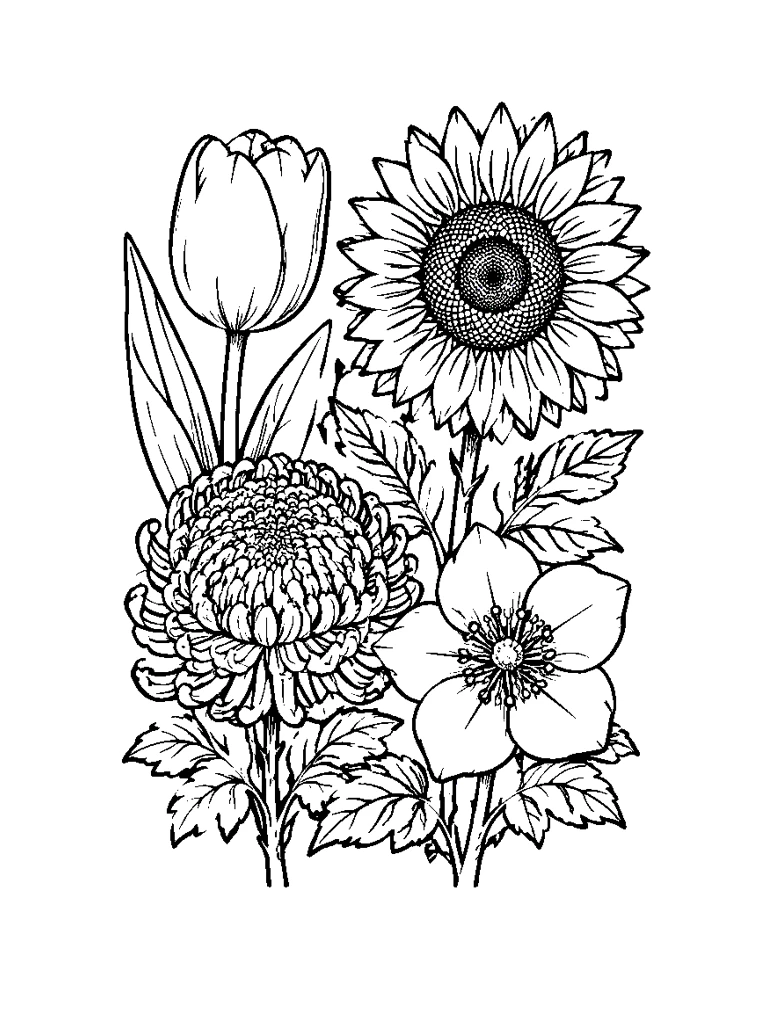
Spring tulips, summer sunflowers, fall chrysanthemums, and winter floral arrangements are possible themes, not universal flowering calendars. Local climate, plant variety, and indoor growing conditions affect what is available. Invite people to describe their own seasonal experiences without assuming every place has snow or the same garden plants.
The new mixed seasonal arrangement combines blooms for creative variety. It does not assert that they share a habitat or bloom together naturally. For a seasonal gathering, choose a flower someone enjoys, offer a few palettes, and leave space for stories or quiet coloring. The same page can be used throughout the year.
Coloring tips and supplies
Colored pencils offer control in smaller spaces and allow gentle layers. Crayons can cover broad areas with less precision. Markers produce strong color but may bleed through ordinary paper; place a protective sheet underneath and test a corner. No tool is best for everyone. Choose products suitable for the intended setting and follow their instructions.
An easy-grip barrel or a comfortable grip attachment may be worth trying if the person prefers it, but do not promise that it treats discomfort. Arrange tools within reach, provide good adjustable lighting without glare, and use a stable table and supportive seating. Offer rest breaks and a way to participate through choosing colors or conversation instead of drawing.
Ask permission before providing hands-on assistance or repositioning someone’s materials. A caregiver or group leader can offer choices quietly rather than publicly identifying a participant’s limitations. If coloring causes pain, stop; concerns about vision or persistent discomfort belong with an appropriate professional, not a printable difficulty label.
Ten flower and garden coloring activities
Each activity is optional and works for an individual, family, or group. Provide actual previews, a choice of tools, and permission to stop or leave areas uncolored. For groups, avoid timed contests, rankings, or assumptions that everyone wants to share personal memories.
- Choose a favorite bloom — Offer the rose, sunflower, tulip, and daisy companions. Each person selects a subject and one or two starting colors. Invite a reason if they want to share, but quiet participation is equally welcome. The aim is a personally appealing start, not finishing fastest.
- One flower, several palettes — Print several copies of the same daisy bouquet. Try natural, cool, warm, or imaginative colors. Compare the results without judging them. A participant can choose colors for someone else to apply if that is their preferred way to join.
- Garden path pause — Use the cottage-garden companion and focus only on the path or nearest flowers. Leave the other details for another session. Discuss textures or simply enjoy choosing colors. The smaller starting area keeps a detailed scene optional rather than making it an all-or-nothing task.
- Sunflower color layers — On the three-sunflower companion, try gentle pencil layers on one broad petal before deciding whether to continue. Use one color throughout if layering is not enjoyable. No special shading technique or hand strength target is required.
- Bouquet for someone — Color the tulip vase or daisy pitcher with a friend or family member in mind. Add a separate handwritten note on blank paper if desired. Do not write over a small printed detail just because the activity mentions a message.
- Wildlife spotlight — Choose butterfly-and-daisies or hummingbird-and-flowers. Color the animal first, the flowers first, or both together. Share an observation if welcome; use reliable photographs for any species question. Imaginative colors remain valid.
- Simple or detailed choice — Compare the actual large-print rose with the new moderate rose and a detailed garden scene. Choose today’s preference without labeling a person as easy or advanced. Someone can change their mind after a few marks; offer another page without comment.
- Seasonal color table — Use the mixed floral companion or an existing seasonal flower page. Offer a palette inspired by the local season and another unrestricted palette. Invite discussion of local plants, recognizing that flowering times vary. Neither palette is compulsory.
- Shared garden gallery — With permission, display completed or partly colored bench, cottage, and flower pages together. Describe color choices rather than ranking skill. Do not attach personal health information or photographs without consent. People may keep their page private.
- Quiet garden session — Provide a comfortable seat, stable paper, tools within reach, and one chosen flower page. Keep conversation optional and take breaks when wanted. End with the opportunity to continue another day or take the page home, without requiring a finished result.
Free printable flower and garden collections
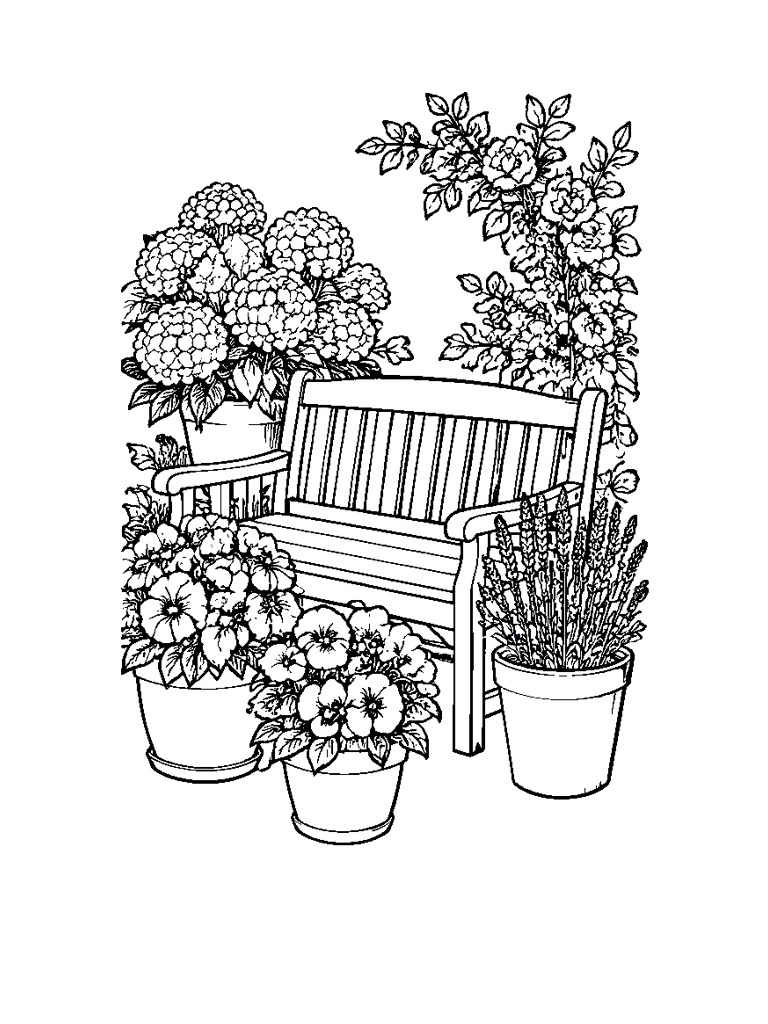
The new companions below are separate one-page PDFs in both paper sizes. Existing collection cards link to the real senior library: Gardens, Flowers & Nature for garden scenes and blooms; Birds & Butterflies for wildlife; Simple & Beautiful for extra-easy broad shapes; and Beautiful Porches & Front Gardens for outdoor settings. The recommendations use published data, not placeholder collection names.
Click a companion preview to open its Letter PDF, or select A4 when that matches your paper. For existing designs, visit the collection to choose its paper size and individual or complete download. A collection’s cover is a preview of the set, not an extra coloring sheet counted among its ten designs.
Downloads are free without an account. Personal and noncommercial group use follows the site’s terms; free access does not imply unrestricted resale or commercial redistribution. Keep the original files available for repeat sessions and check printer settings again if another printer or paper size is used.
Frequently asked questions
What flower coloring pages are easiest for seniors?
The easiest choice is the one whose spaces, lines, and subject suit the person. The existing Simple & Beautiful rose and sunflower have extra-easy broad shapes, while the new companions include more detail. Compare actual previews.
Where can I find large-print flower coloring pages?
Visit the Simple & Beautiful large-print collection linked below for broad rose and sunflower designs. The new floral companions have their own complexity levels and are not all large-print or extra-easy.
Are flower coloring pages suitable for group activities?
Yes, when participants can choose subjects, tools, pace, and whether to share. Offer different levels and avoid competitions or assumptions about ability.
What coloring supplies are comfortable to use?
Preferences vary. Try pencils, crayons, or suitable markers with a stable surface and good lighting. An easy-grip option may feel better for some people; stop if an activity causes discomfort.
Can I print DoodleLearn coloring pages at home?
Yes. Choose A4 or US Letter to match your paper, open the PDF, and check the printer preview and margins. Print one test sheet before preparing multiple copies.
What are popular garden coloring themes?
Roses, sunflowers, tulips, bouquets, cottage paths, benches, butterflies, and garden birds offer variety. Personal interest matters more than a presumed preference based on age.
Research and further reading
Further reading from research and professional guidance. Study findings apply to their participants and tasks; professional guidance is not the same as a controlled experiment.
- DoodleLearn: Easy Coloring Pages for Seniors
Practical companion guidance on choosing real printable designs and adapting creative sessions; not clinical advice.
- DoodleLearn: Benefits of Coloring for Seniors
Explains evidence limits and distinguishes creative enjoyment from medical claims.